Overcoat Length and Fit, by Measurement
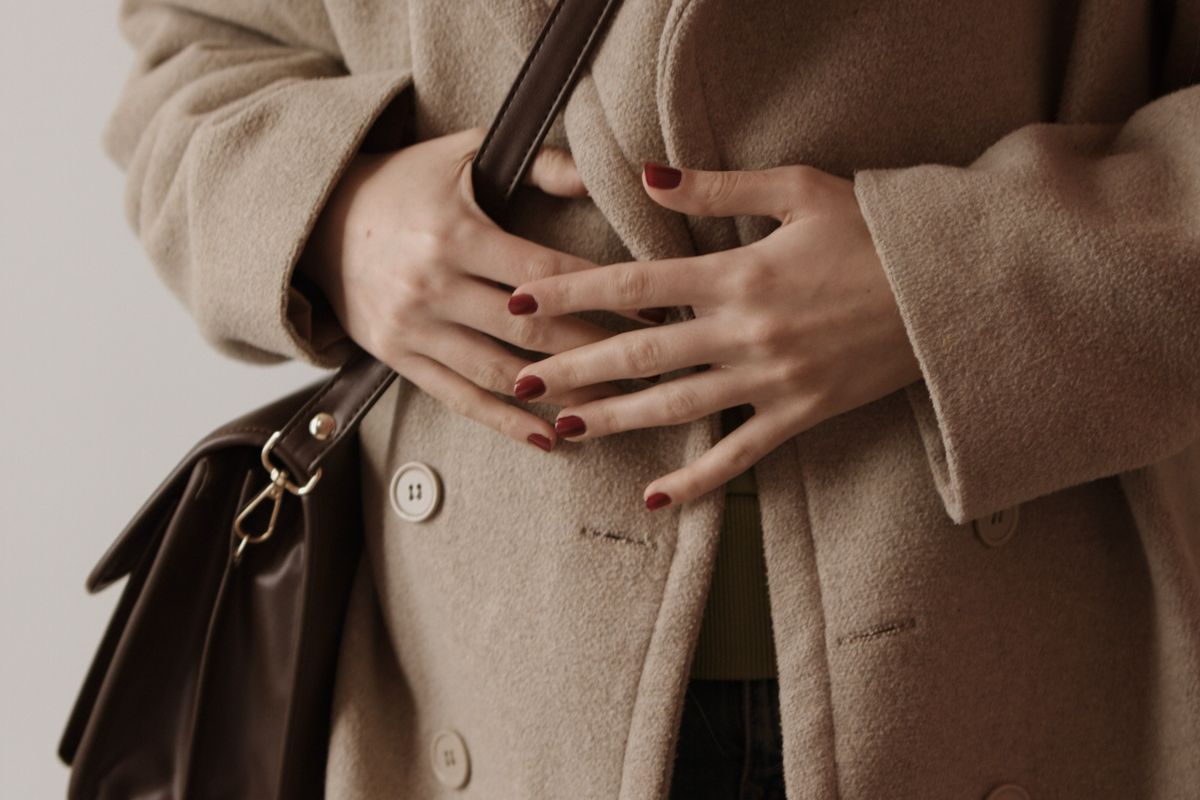
An overcoat is the largest, most visible garment most people own, and the one most often bought by the wrong number. Length and ease are the two measurements that decide it, and both can be checked with a tape before money moves.
Length bands, by the tape
Coat length is measured from the centre-back collar seam to the hem. Bands in menswear run roughly like this: car coats and short styles at 30 to 34 inches, ending near mid-thigh; the mid-length overcoat at 38 to 42 inches, ending at or just below the knee; full-length greatcoat styles at 44 to 48 inches, reaching mid-calf. Published size charts back these bands up — one retailer’s overcoat line measures 38 to 40¼ inches across its regular and long sizes, while its suit jackets run 30 to 32½ inches. A coat that ends only a few inches below a jacket hem looks like a mistake; the knee is the classic target because it divides the leg visually and blocks wind past it.
Match the band to your height first, your formality second. A knee-length coat flatters most builds and works over suits. Shorter frames usually look better stopping at mid-thigh; taller frames can carry full length. Proportion, not fashion, is doing the work here.
The shoulder decides the fit
Look at the shoulder seam before anything else. It should sit at the edge of your natural shoulder — not drooping down the arm, not pinching in. An overcoat is built a little fuller through the shoulder than a suit jacket to clear the layers beneath, but the seam still marks where your arm starts. If it hangs past that point, every other measurement below it will read wrong.
Then button the coat over your thickest realistic layer — suit jacket in winter, blazer in autumn. Four to six inches of chest ease over a jacket is the working range. Diagnostic signs are visual and immediate: horizontal “X-wrinkles” pulling at the closure mean too little room; the front panels fanning open with a gap means too much.
The rest takes three checks
Sleeve length: the cuff should end at the wrist bone, showing a quarter to half an inch of shirt cuff. Collar: it should close without choking and sit against the layer underneath, not the neck. Hem and vents: the back vent should allow a normal stride without straining.
Then measure at home before ordering. Lay your best-fitting existing coat flat and measure back length the same way — collar seam to hem. Compare that number to the size chart’s garment measurements rather than to your own body, because charts are cut generous for layering. Our guide to brand size charts, converted covers how much published measurements vary between brands. If the two numbers are within an inch, the length will work; the cost-per-wear case for a coat you wear a hundred days a year is strong enough to justify ten careful minutes.
FAQ
- How long should an overcoat be for my height?
- For most builds, a mid-length coat of 38 to 42 inches lands at or just below the knee. Under about 5 feet 8 inches, mid-thigh car-coat lengths of 30 to 34 inches keep proportions right; over 6 feet 2 inches, full-length cuts of 44 to 48 inches suit better.
- Should you size up in an overcoat?
- Only for layering room, not for length. The coat should close over a suit jacket or heavy knit with 4 to 6 inches of ease at the chest. If it pulls or fans open at the buttons, go up one size — then have a tailor take in the body if it hangs loose.
- Where do you measure coat length?
- From the centre-back collar seam straight down to the hem, with the coat laid flat. That back-length figure is what size charts publish, and it is the only number that compares fairly across brands.
Denim by the Ounce: From Summer Pairs to Selvedge
Updated Sep 26, 2026 · Read more →