Buying Johnny Was Below Full Price: Sale Logic and the Fit Check
What the appraisal found
- Signature tops — Best first full-price buy
- Maxi dresses — Highest fit risk
- Partner storefront — Same catalog, sale entry
Comparison reflects the brand's documented categories and third-party price reviews, checked November 2026.
Johnny Was prices like a luxury brand and discounts like a department store, and the gap between those two behaviors is where a careful buyer lives. The collection’s documented range runs from accessories and tees under $150, through embroidered blouses and dresses in the $200 to $300 band, up to the 100% silk kimonos that top out around $1,800 — while the sale sections on johnnywas.com regularly drop pieces below $100. That spread is not an accident. Since Oxford Industries — the parent of Tommy Bahama and Lilly Pulitzer — acquired the brand in 2022 for $270 million, discounting has been portfolio management, not desperation, and understanding the rhythm is worth real money.
The three price tiers and what each one is for
The brand’s own storefront sorts the collection into tiers that map cleanly onto buying strategy:
- The signature tier, roughly $200 to $300. Embroidered tops, mandarin-collar shirts and tunic dresses — the pieces the brand is known for, and the tier where the embroidery checks in our appraisal of Johnny Was embroidery matter most. One blouse here replaces an entire outfit; it is also the tier where cost-per-wear turns the price from shocking to reasonable fastest, because embroidered tops get worn with everything and dated least by trends.
- The statement tier, $400 to $1,800. Silk kimonos and eveningwear, priced on fiber and handwork. These are collector’s pieces by the brand’s own positioning — long-time customers treat them as wardrobe investments — and they are the wrong place to make your first purchase from an unfamiliar brand.
- The entry tier, under $150 and sale sections under $100. Accessories, sleepwear, and discounted prints from past seasons. This is where the first purchase should happen: enough money to test the real drape and fit against the product photos, small enough that a miss is a lesson instead of a loss.

What the storefront itself tells you about discounting
You do not need a price tracker to read this brand’s discounting logic; the storefront declares it. Product tiles across johnnywas.com carry loyalty early-access labels — early sale access is a stated membership perk, which means the first markdown wave is reserved, not public. New arrivals are merchandised separately from the persistent sale sections, and the same prints reappear across seasons in fresh colorways, which is how you can tell design is recycled at the margin while the signature embroidery carries over. An e-gift card program and a standing sale shop round out the picture of a brand managing inventory continuously rather than twice a year.
Two practical consequences follow. First, patience is genuinely rewarded here: a print that misses at full price usually reappears in the sale sections within a season or two, because volume brands clear their own tail. Second, the deepest discounts concentrate where the risk already was — final-sale flags, past-season fits, and the sheer layers where fabric weight matters most. The discount is deepest precisely where the return window is most likely closed, which is why the rules below exist.
Fit: the complaint that discounts do not fix
The most common fit complaint documented about this brand is specific: pieces running tight under the arms, and garments that bunch at the neckline. The overall sizing record is better than that sounds — third-party reviews describe the collection as slightly generous on average, with most styles spanning XXS to XXL and petite plus 1X-3X ranges available in many styles. But generous-on-average, tight-in-specific-cuts is exactly the pattern that makes size charts non-negotiable. The brand publishes them per style; the same audit we apply to converted size charts applies here — match the garment’s own measurements to your body, never the adjective (“relaxed”, “flowy”) on the product page.
The category with the largest gap between photo and reality is maxi dresses: a design centered on the body exaggerates every fit error, and a hemline that sweeps in the studio shot can land at an awkward length on a different torso. Returns cost you the sale price you thought you were saving — and at final sale, they cost you everything. The white shirts spec method makes the same point in a calmer category: fit data first, mood boards never.
How to actually buy below full price
Three rules cover most of the risk:
- Buy the first piece returnable, not cheap. The recurring complaint pattern about this brand pairs fabric disappointment with final-sale listings. A $90 final-sale blouse you cannot inspect first is a worse buy than a $250 one you can return — the brand’s own review profile (2.2 on Trustpilot from a small unclaimed base at the time of writing) is the reason this rule is strict here.
- Shop the sale section for prints, not for fit experiments. Past-season embroidered prints are the same construction as current ones; what changes is the pattern. That makes sale prints the cheapest way to get the signature look. What sale sections are not for is discovering your size in a cut you have never worn.
- Then decide about the statement tier. After one good purchase, the cost-per-wear arithmetic settles the silk kimono question honestly. At thirty wears a year, even the top of the price range gets cheap; at three wears, nothing at this brand does.
The picks below follow that sequence. The first two land on the brand’s own storefront categories; the third is our partner storefront, which reaches the same catalog and its homepage sale sections.
| Signature tops | Maxi dresses | Partner storefront | |
|---|---|---|---|
| Badge | Best first full-price buy | Highest fit risk | Same catalog, sale entry |
| Where | Brand tops shop | Brand dress shop | Partner landing |
| Typical price | $200–$300 | $200–$400 | Under $100 on sale |
| Buy when | You know your size | Returnable only | First test piece |
Comparison reflects the brand’s documented categories and third-party price reviews, checked November 2026.
The order of operations, condensed
For the reader who wants the sequence without the reasoning: one returnable sale-section piece first, inspected against the embroidery checklist and the fabric checks in daylight. Then a signature-tier top in your confirmed size, which becomes the wardrobe’s workhorse and the reference point for every later fit decision. Only then — if the wear count justifies it — the statement tier, bought returnable, inspected like the first piece. This is the same ladder logic the twelve-piece working wardrobe builds on: cheap experiments at the bottom, verified workhorses in the middle, investments only where the evidence supports them.
The arithmetic, worked once
The cost-per-wear claim above deserves numbers, because the brand’s price spread makes the arithmetic unusually visible. Take a documented $280 embroidered blouse from the signature tier, worn twice a week for three seasons — call it forty wears a year, one hundred and twenty wears over three years before the embroidery checks start to matter. That is $2.33 per wear, and the blouse is doing the visual work of an outfit each time, which displaces other purchases you would otherwise make. Now the same blouse bought as a trend piece and worn fifteen times total: $18.67 per wear, worse than a disposable top, because the price assumed the wear count the wardrobe never delivered.
The sale section changes the shape of the calculation, not just the price. A $90 sale-section print worn the same forty times a year is $0.75 per wear — the best ratio in the entire collection — but only if the fit is already known, because a final-sale miss zeroes the denominator. That is the entire case for the sequence above: the first piece buys the fit knowledge, the second piece converts it into wear counts, and the wear counts justify the statement tier or correctly veto it. A silk kimono at $1,800 needs roughly one hundred wears to reach $18 per wear, which is a decision about how often a layering piece actually leaves the closet — answer it with your own history, not the brand’s campaign. The full method, including how to count wears honestly, lives in cost-per-wear done properly.
What to skip at any price
A few patterns in this collection are better vetoed than discounted. Sheer embroidered layers bought at final sale combine the brand’s two biggest documented risk factors — fabric disappointment and no return window — in one purchase. Trend colorways of the signature prints age fastest, and they are the pieces the sale sections exist to clear, which tells you the resale and re-wear story in advance. And anything bought purely because the markdown percentage is dramatic fails the same test a cheap polyester blouse fails: the price was never the problem, the wear count was. The repair-or-replace arithmetic rounds this out from the other end — once the beadwork starts dropping and the puckering sets, even a $1,800 kimono is a candidate for the tailor rather than the replace pile, and the decision is again arithmetic rather than sentiment.
The trade-offs, stated
Johnny Was is a mid-luxury brand with genuinely distinctive design and a customer-service record that, at the time of writing, reads worse than its product quality. The complaints that cluster around fit, final-sale fabric disappointment and hard-to-reach support are all mitigated by the same behavior: buy early in the relationship, buy returnable, inspect on arrival. Do that, and the brand’s sale rhythm works for you instead of against you — embroidery and silk at $100 are among the better fabric-per-dollar buys in mid-luxury fashion. Skip the checks, and the same pieces are expensive lessons wearing better pictures.
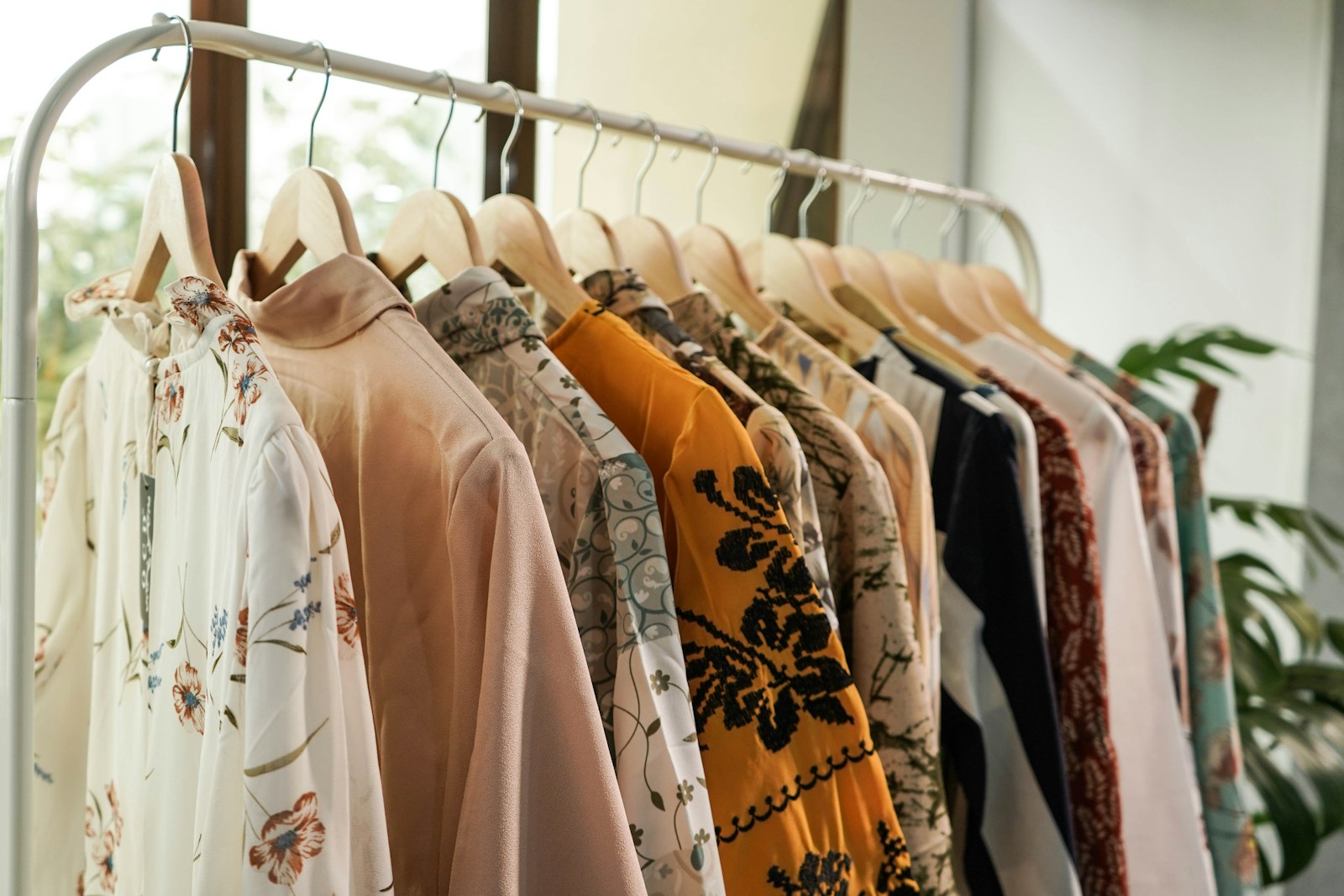
The picks
Buying through links below may earn us a commission — it does not change your price.
- 1
Signature tops — Best first full-price buy
The tier where Johnny Was earns its price: embroidered tops around $200 to $300 that replace an entire outfit and get worn with everything, which is where cost-per-wear turns the price reasonable fastest. Buy only after one good fit reference from a cheaper piece.
Check current price - 2
Maxi dresses — Highest fit risk
The largest embroidered surfaces and the biggest gap between photo and fit — body-centered designs exaggerate every sizing error, and documented complaints include tightness under the arms. Match the garment's own size chart, never the adjectives, and buy returnable only.
Check current price - 3
Partner storefront — Same catalog, sale entry
Our partner landing reaches the same johnnywas.com catalog, homepage and sale sections. Past-season prints under $100 are the cheapest way to test real drape and fit before committing to full price — buy returnable where possible, since many sale pieces are final sale.
Check current price
Comparison
| Signature tops | Maxi dresses | Partner storefront | |
|---|---|---|---|
| Typical price | $200–$300 | $200–$400 | Under $100 on sale |
| Fit risk | Low–medium | Highest in the range | Unknown until worn |
| Returnability | Usually returnable | Usually returnable | Often final sale |
| Best for | First full-price buy | Occasion wear | First test piece |
FAQ
- How much does Johnny Was clothing actually cost?
- Accessories, tees and leggings start under $150, embroidered blouses and most dresses sit around $200 to $300, and the signature 100% silk kimonos run up to roughly $1,800. The brand's sale sections regularly bring pieces below $100.
- Does Johnny Was run small or large?
- Third-party fit reviews describe the collection as slightly generous and relaxed, with most styles in XXS to XXL plus petite and plus ranges. Individual complaints exist — tightness under the arms on some dresses — so match a size chart rather than the adjectives on the product page.
- What should I check before buying a Johnny Was sale item?
- Whether the piece is final sale. Fabric disappointment on final-sale items is a recurring complaint about the brand, and a discounted piece you cannot return is a worse buy than a full-price piece you can.
How to appraise Johnny Was embroidery like an appraiser: stitch density,…
What Johnny Was actually sells under its silk, velvet and gauze labels: how to…
Fused, soft fused and unfused collars behave differently after washing and on…
Fill power is only half the number on a down jacket — the other half is how…