Commuter Backpacks for Daily Rail Time
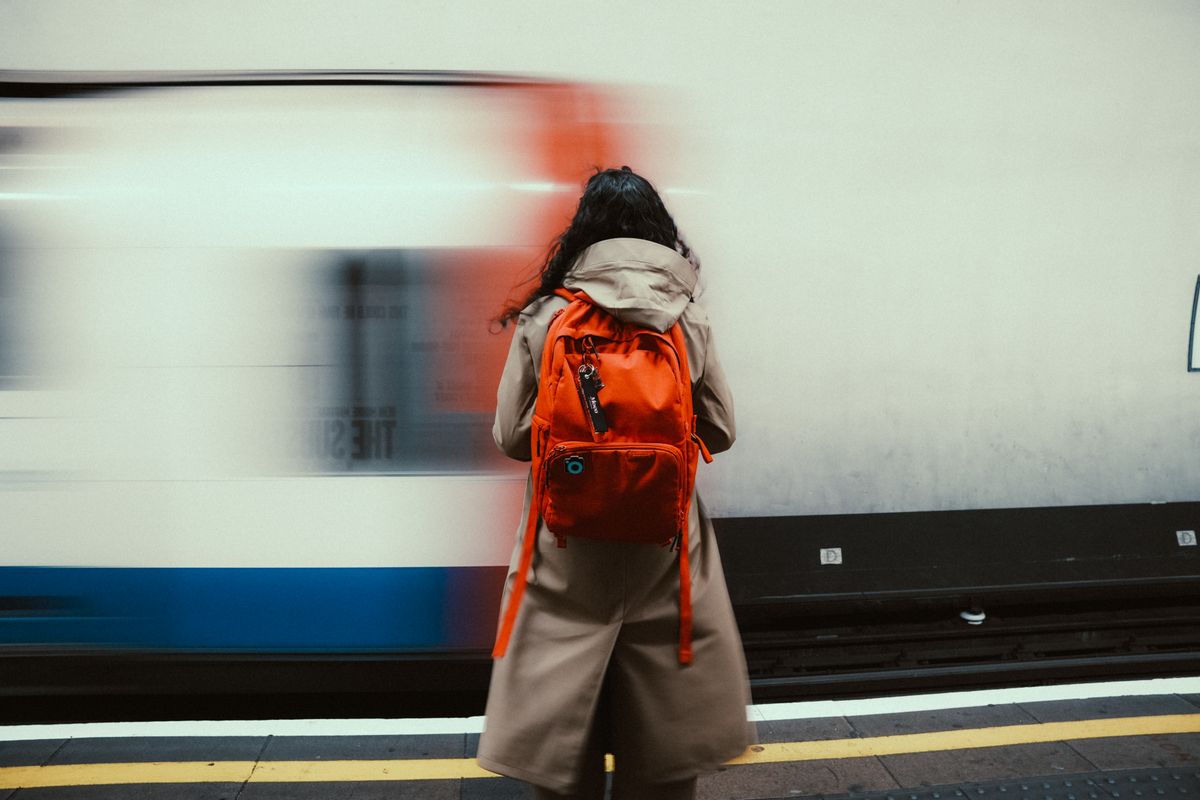
A commuter backpack has the hardest job in the bag world. It gets loaded twice a day, stuffed under seats, swung through turnstiles and set down on wet platforms. The packs that survive this routine share a few construction choices, and the packs that don’t usually skipped them.
The harness matters more than the fabric
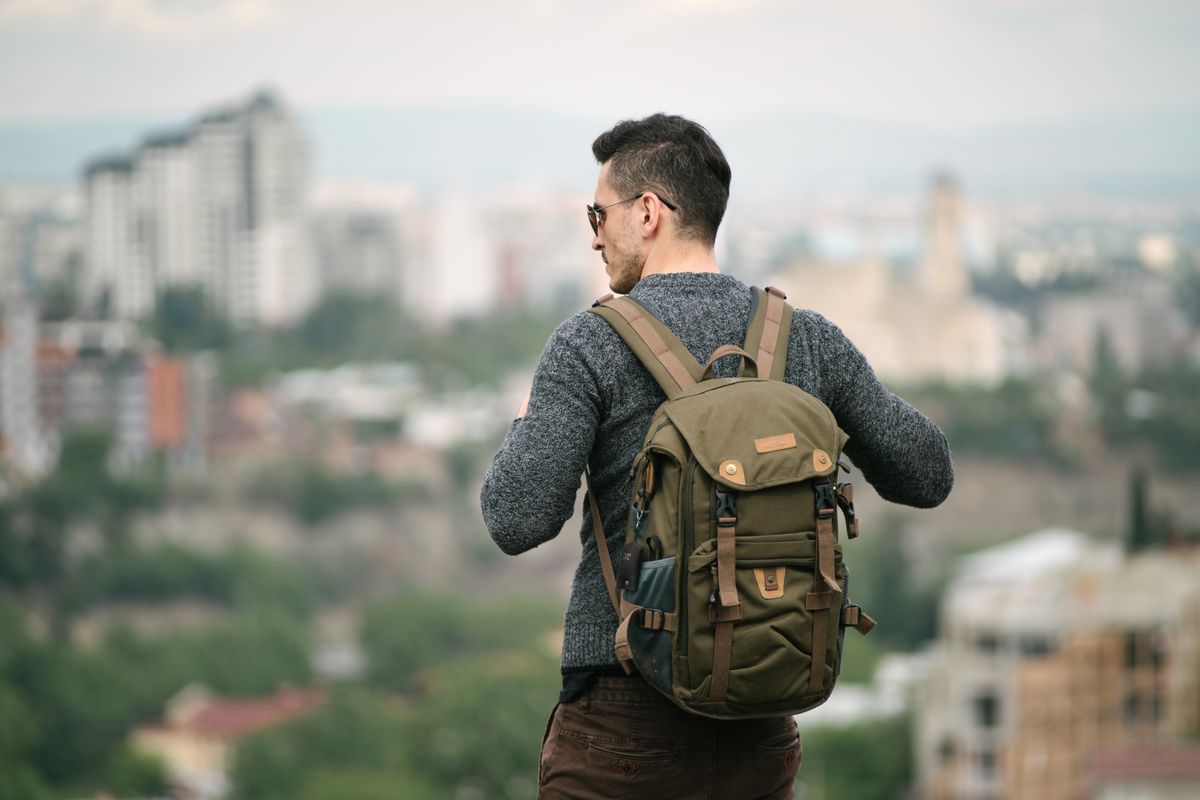
Most commuter packs use similar fabrics, so the first thing to look at is how the pack carries. A firm back panel with a channel keeps the load from slumping, and shoulder straps anchored close together carry weight on the shoulders instead of letting it slide outward.
Padded straps that are wide but flat tend to hold their position better than narrow, deeply padded ones, which roll and concentrate pressure.
A sternum strap earns its place at this use rate: it keeps the straps from sliding off during a run for a train, which is exactly when a loaded pack gets dropped. Test any candidate loaded, not empty — a back panel that folds under a real load dumps it onto the straps it was supposed to relieve. Weight should also sit close to the back: a slim two-zone pack often carries better than a deeper one of the same litres.
Compartments: two full-height zones
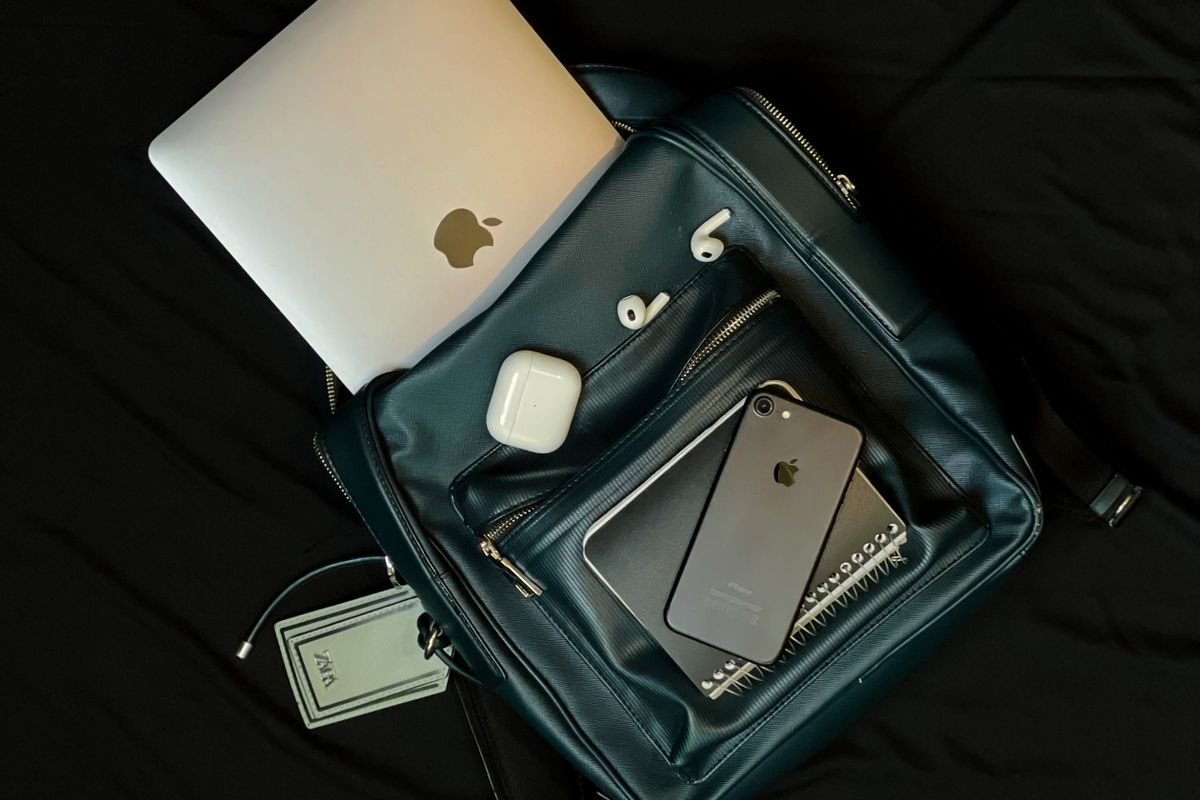
The commuter packs that age well split into two full-height zones — one for the laptop, one for everything else. When everything shares one cavity, the laptop sleeve becomes a junk drawer and the laptop takes the abuse. A front organiser pocket for tickets and keys is useful; a dozen small pockets are not, because every zipper is a failure point.
Check where the laptop sleeve ends relative to the base of the pack. A sleeve that stops an inch above the bottom keeps the machine off the ground at every set-down; a sleeve that runs to the floor feeds the impact straight through. Side-access laptop zips are quick on a crowded train, but they add a long zipper through the rear panel — a seam that carries the load every day. Rear-panel access is slower and sturdier.
Fabric: denier is a floor, not a promise
Coated nylon in the 400–1000 denier range is the commuter standard. Denier alone doesn’t guarantee durability — the coating quality and the thread used at stress points matter as much — but fabric below about 400 denier with no reinforcement rarely survives years of daily rail travel. Check that the base panel and the bottom of the front pocket use the heaviest fabric on the pack, since that’s where abrasion lands.
Two constructions dominate the category. Ballistic nylon is thick, abrasion-resistant and heavy — the Aer Day Pack 2, documented by the brand in 1680-denier ballistic nylon, is the example. Lighter woven nylons in the 400–600 range, the Bellroy Classic’s territory, save weight and hold up fine if the base is reinforced. Either works; the question is which fabric the brand puts on the base — “the same as the body” means a pack designed for a shelf, not a platform.
What the picks are picked for
The three packs recommended below were chosen from brands that document their materials and dimensions openly, which is the minimum bar for a recommendation here. See the comparison table for how they differ, and read our guide to backpack litres, honestly measured before deciding what size you need. If you’re weighing a pack against a tote for the same job, the tote versus crossbody versus shoulder guide covers the same physics from the other side.
The Bellroy Classic Backpack is the reference build. Bellroy lists it at 20 litres with a dedicated, elevated laptop sleeve and a front organiser, and the woven recycled shell keeps the empty weight moderate. What it gives up is modularity: there is nowhere to clip or expand beyond the designed pockets.
The Aer Day Pack 2 runs the same two-zone pattern in ballistic nylon with a reinforced base. The structure that keeps its shape resists being squashed into a rail’s luggage gap — fine unless you overstuff daily.
The Peak Design Everyday Backpack 20L is the pick when the commute includes camera gear. Its dividers reconfigure the main cavity around equipment, and the weatherproof shell shrugs off platform weather. The trade-off is mass: it is the heaviest empty of the three, and if most days carry a laptop and a lunch, that structure is weight you bought for nothing.
The picks
Some links below are affiliate links — we may earn a commission at no extra cost to you.
- 1
Bellroy Classic Backpack — Best overall
A harness-first commuter design with a firm back panel and a two-zone layout — laptop cavity separate from the main storage zone, which is the construction pattern that ages best in daily rail use.
Check current price - 2
Aer Day Pack 2 — Best for minimal carry
A tighter, structured pack for commuters who carry a laptop and little else. Ballistic-nylon construction with a reinforced base panel, in the lighter half of the commuter size range.
Check current price - 3
Peak Design Everyday Backpack 20L — Best for camera carry
The pick if the commute includes photo gear. Configurable dividers and a heavy-duty weatherproof shell; heavier empty than the other two, which is the cost of the structure.
Check current price
Comparison
| Bellroy Classic | Aer Day Pack 2 | Peak Design Everyday 20L | |
|---|---|---|---|
| Best for | Mixed daily carry | Minimal carry | Camera + commute |
| Laptop compartment | Dedicated, elevated sleeve | Dedicated, side-access | Divided main cavity |
| Organisation | Front organiser + quick pocket | Single front + side pockets | Divider-based, configurable |
| Shell material | Woven recycled nylon | Ballistic nylon | Weatherproof recycled nylon |
| Trade-off | Least modular | Least expandable | Heaviest empty |
FAQ
- What size backpack works for a daily commute?
- For a laptop, lunch and a layer, 16 to 22 litres covers most commuters. Below that you lose the second compartment; above that the pack stops fitting under a rail seat.
- Is a suspended laptop compartment worth it?
- For rail commuting, yes. A sleeve that ends above the bottom of the pack keeps the laptop off the ground when the bag is set down, which is where most corner damage happens.
- How much should a commuter backpack weigh empty?
- Most durable packs land between 0.8 and 1.5 kilograms empty. Structural fabrics add weight; the trade-off is worth it only if you carry the pack for under an hour a day.