Re-Waxing Waxed Cotton, Step by Step
Waxed cotton is a system of two parts: a tight cotton weave and the wax saturating it. The cotton never wears out; the wax does. Re-waxing is just replacing the part that expires, and a jacket that gets the treatment yearly can serve for decades — Filson notes its oil-finish Tin Cloth can be re-waxed as often as needed for decades of service.
Pick the wax by its base
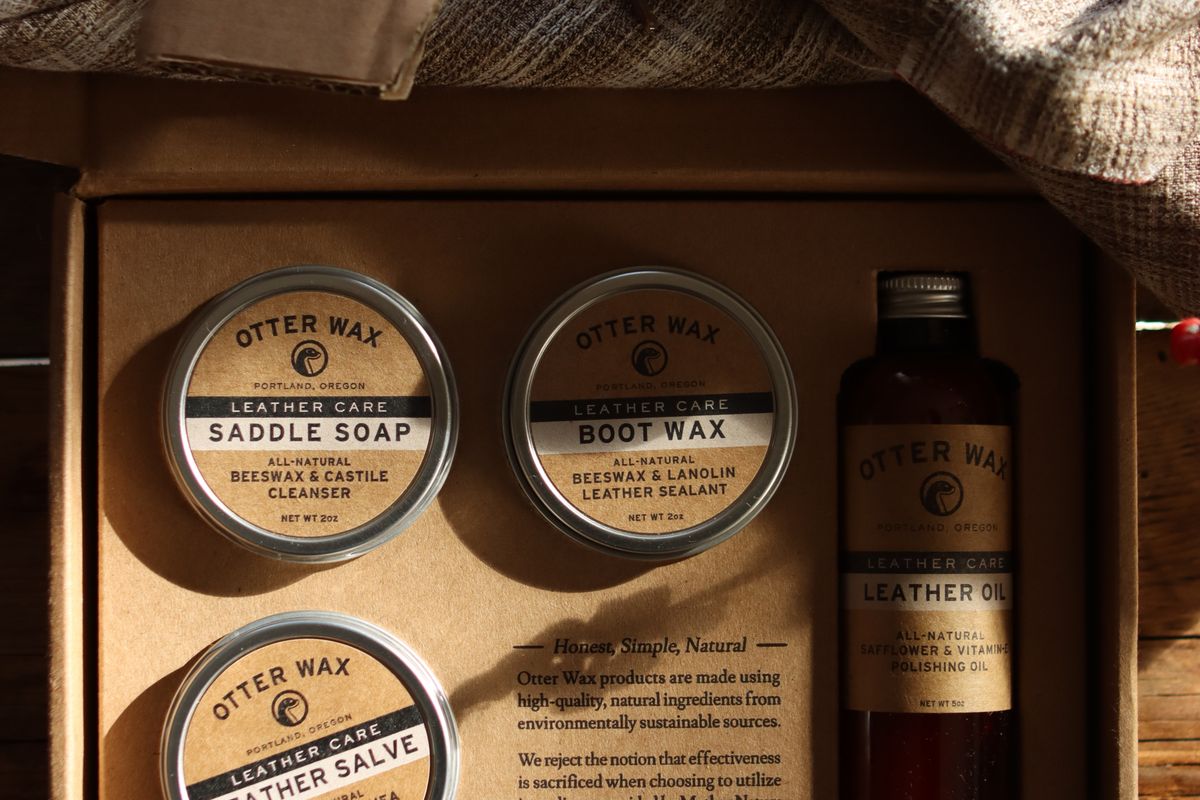
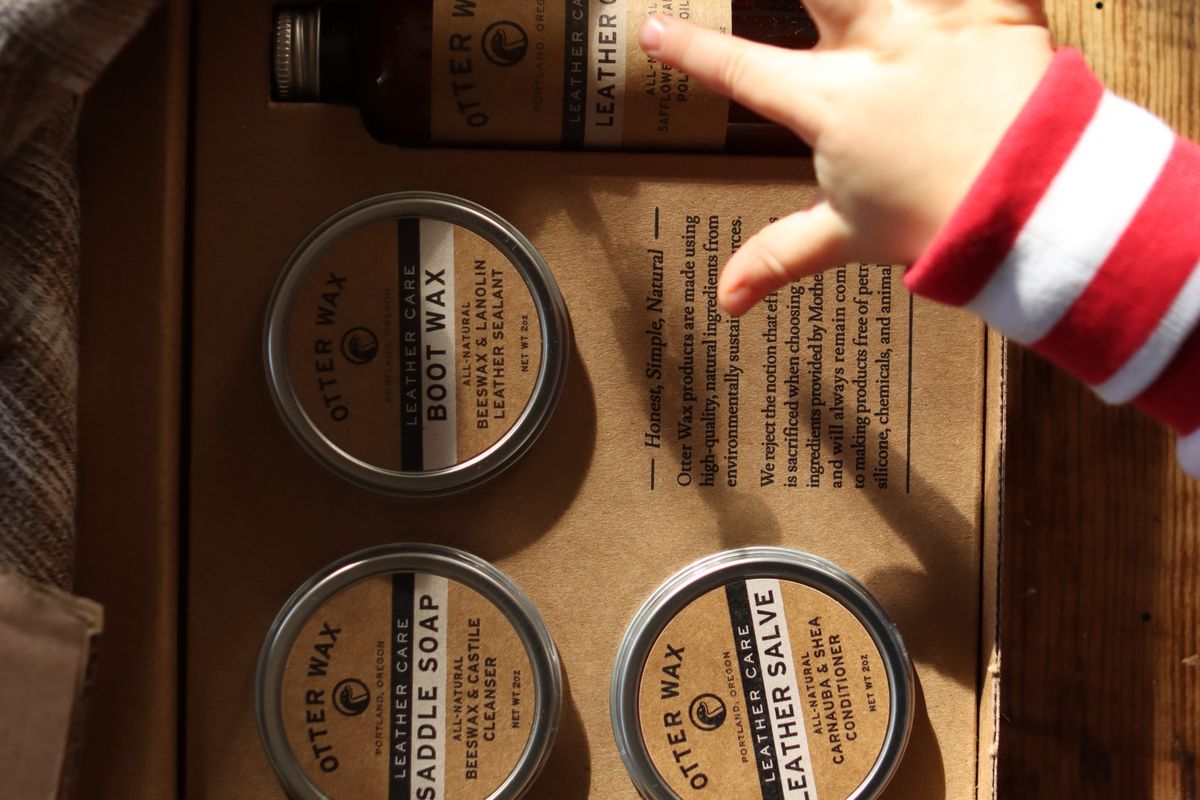
Wax dressings fall into two families. Paraffin-and-oil dressings are the traditional mill formula; beeswax-based dressings are the natural-fiber alternative, and they matter if you dislike petroleum products near your skin. Otter Wax documents its Heavy Duty Fabric Wax as beeswax blended with plant-based waxes and oils, with no paraffin, silicone or other petroleum synthetics — one end of the spectrum. Barbour’s Thornproof Dressing is the classic tin for its own jackets. Match the brand to the jacket when one exists: Barbour directs owners to check the care label for the right wax.
One more rule from Otter Wax: do not strip old wax first. New wax bonds with whatever is already in the fabric. The exception is any jacket with a synthetic coating, which blocks penetration — their advice is to test a patch on an inside seam.
Application: friction or gentle heat
There are two working methods, and both are simple.
Rub-on bars. Rub the bar back and forth until friction softens the wax and it spreads into the top layer. Otter Wax designed its bar for exactly this — rubbing creates the heat that loosens the wax. Work it in with your fingers until the coat is uniform, paying attention to seams, creases and the shoulders, where wear shows first.
Tin dressing with heat. Barbour’s method: stand the open tin in water hot enough to melt the wax — about twenty minutes to liquid — then work it into the fabric with a sponge or rag, keeping the tin in the hot water as you go. Keep dressing off the lining, the pockets, and a corduroy collar. For stick dressings, Barbour’s own tip is a hairdryer: pass moderate heat over the waxed area to soften it into the fabric, without holding the dryer too close. Work in sections, back panel first.
Curing: hang it and wait
Hang the jacket in a warm, dry place and give it time. Otter Wax documents a cure window of 24 to 72 hours depending on temperature, humidity and how heavily you applied; Barbour says hang it overnight in a warm room, away from other garments. The jacket may transfer wax to neighboring surfaces while it settles, which is why the hanger lives away from leather and upholstery. It is ready when the surface no longer feels tacky.
Do this once a year — both Barbour and Otter Wax recommend an annual cycle as the baseline — and spot-treat the shoulders after hard seasons. For how waxed canvas compares against nylon and polyester in packs, see pack fabrics compared.
FAQ
- How do I know my waxed jacket needs re-waxing?
- Water stops beading and starts soaking in, and the fabric at the shoulders and elbows looks pale and dry. Filson's care guidance says simply to re-wax as needed to maintain water resistance; Barbour suggests checking annually.
- Can I wash a waxed cotton jacket in the machine?
- Never. Barbour's care guide warns that machine washing strips the wax coating permanently, after which the jacket cannot be properly re-waxed. Cold water and a sponge are the only cleaning it gets.
- Will re-waxing change how the jacket looks?
- Yes, temporarily darker and with a slight sheen. Otter Wax notes a faint tack that fades over days as excess oil evaporates. The jacket returns to its usual look as the wax settles.