Conditioning Leather Without Darkening It
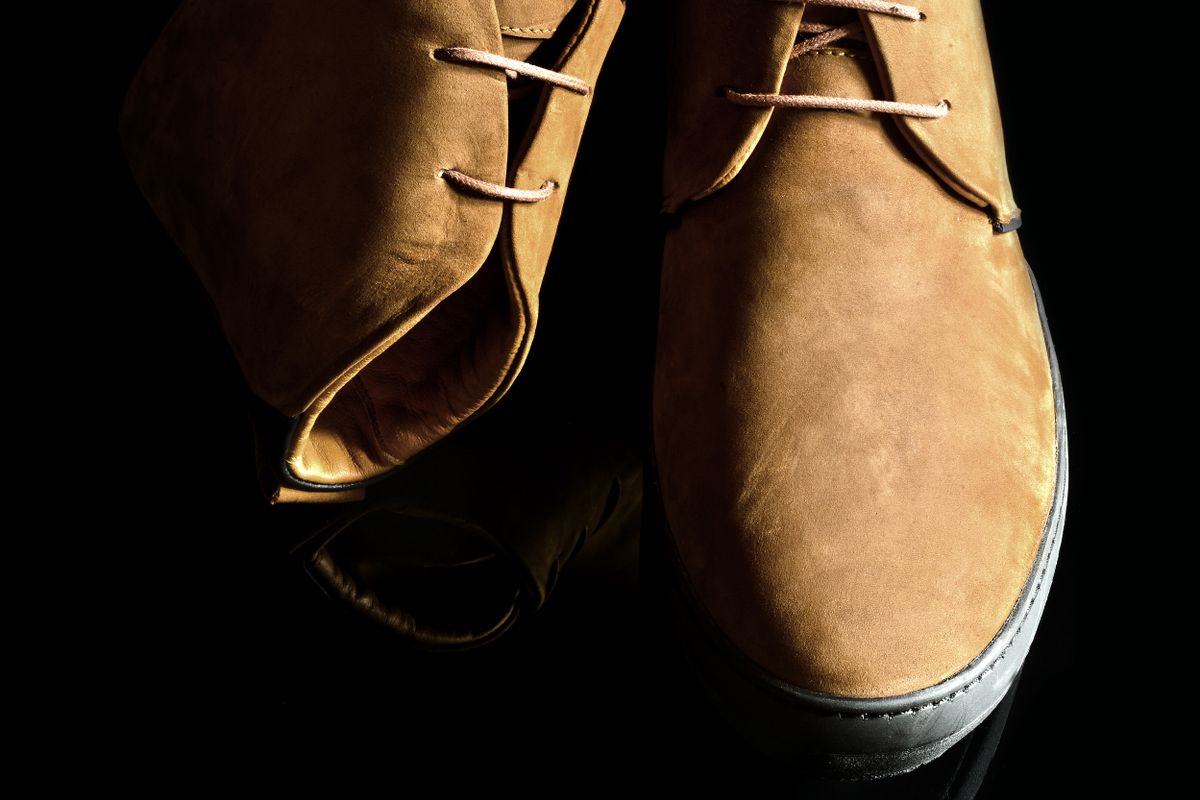
Leather darkens when conditioning oils fill the empty spaces between fibers. Dry leather scatters light; saturated leather lets light pass and reflect deeper, which reads as a deeper tone. On a pigmented, finished hide the effect is small because a coating blocks absorption. On aniline and lightly finished leather — most high-end bags and belts — the effect can be several shades, and it does not reverse.
That is why the test patch is not optional. It is the whole procedure.
The patch test, done properly
Pick a hidden spot: the underside of a strap, the leather inside a seam allowance, the back of a belt end, the area under a bag flap. Clean it first with a dry cloth so you are testing conditioner on the leather, not on dust.
Apply the conditioner exactly as heavily as you plan to use it elsewhere. More does not inform less. Then wait a full day. Conditioners keep working as they soak in, and a patch that looked acceptable after an hour can read a shade darker by the next afternoon. If you can live with the patch, you can live with the bag. Saphir, whose care guides cover delicate skins, makes the same recommendation: test on a less visible area before treating the whole piece.
What each grease type tends to do
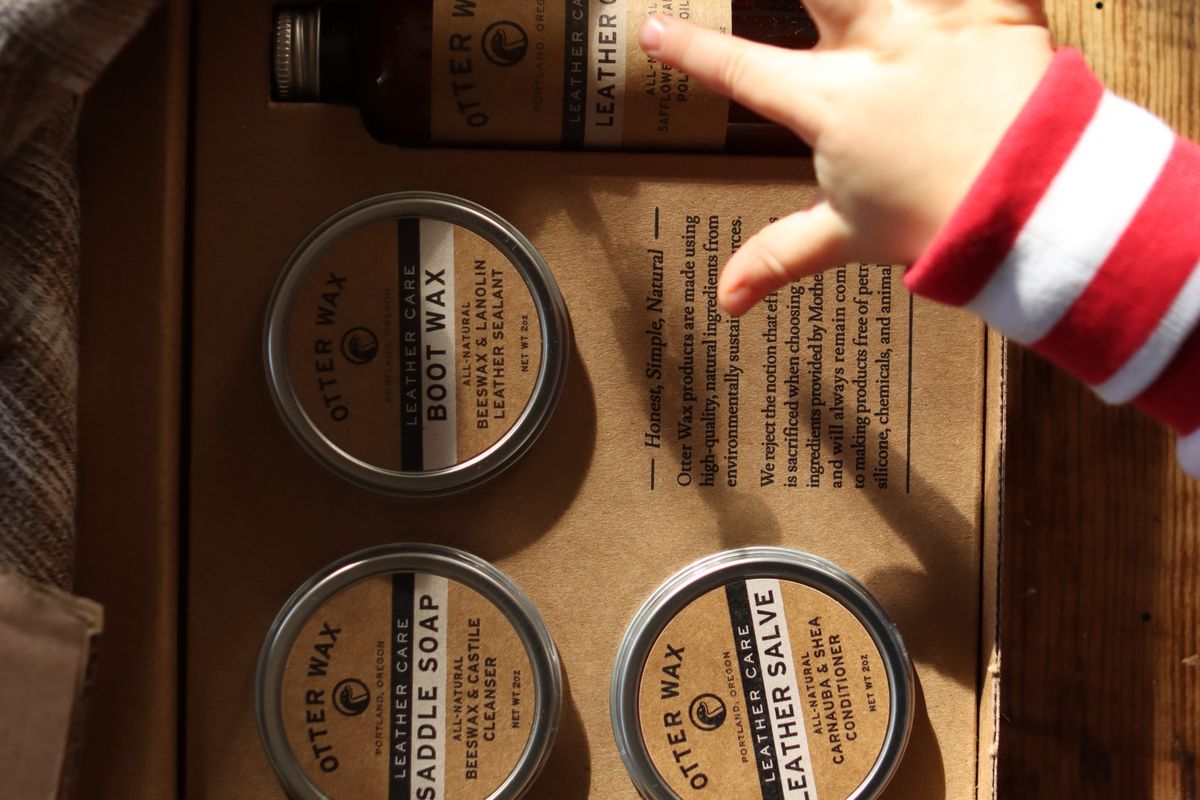
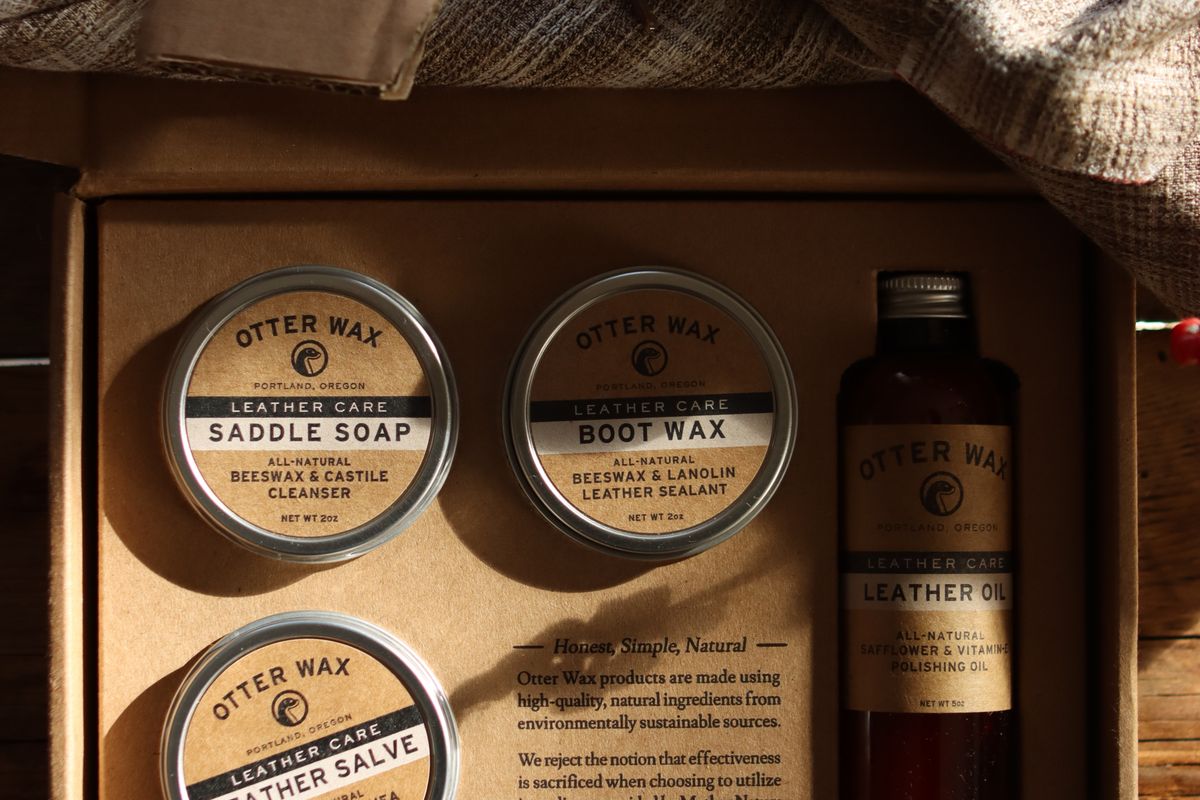
- Wax-forward creams. Wax sits at or near the surface, so it evens out dryness with a modest tone shift. Paste products like Saphir’s Pâte de Luxe work this way — they feed the surface and build shine more than they penetrate.
- Lanolin and mink oil. These soak deeper than waxes, which softens stiff leather well and darkens more noticeably on absorbent hides. Saphir’s classic Renovateur is a hybrid — lanolin and mink oil carried with beeswax — and the brand offers macadamia-oil variants for a plant-based alternative.
- Heavy oil dressings. Traditional neatsfoot and similar oils saturate fully. They belong on work boots and saddlery, not on a dress bag you want to keep its original color.
Matching the oil to the job is most of the game. Choose deep oils where you want softness and accept the shade change; choose wax-forward creams where the original color matters.
Frequency and amount
Less than you think. A thin coat, buffed off after a few minutes, does more good than a soaked one, because excess oil left on the surface attracts grime. Twice a year covers most everyday bags and wallets; boots worn in weather need more. If a piece is new to you — especially secondhand leather where the history of treatments is unknown — the patch test tells you also how thirsty the leather is, since a spot that drinks conditioner quickly has been waiting.
For what the tannery labels mean before you even buy, see leather grades explained.
FAQ
- Will any conditioner darken leather a little?
- Almost every oil or wax deepens color slightly on absorbent leathers. The difference is degree: waxes sit near the surface and shift tone modestly, while heavy oil-based dressings soak in and can change the shade permanently, especially on aniline leather.
- How big should a test patch be?
- Roughly the size of a fingertip, applied in a hidden spot such as the underside of a strap or inside a seam allowance. Let it dry fully — 24 hours is the honest wait — before judging the color change.
- How often does leather actually need conditioning?
- Far less often than the bottle suggests. Twice a year is plenty for a bag used daily in normal indoor conditions. Condition when the leather looks dry or feels stiff, not on a calendar.